
Designer Outlet vs Boutique Purchase: Which Fits?
An Italian designer purchase can feel very different depending on where it begins. One client may be searching for a discontinued handbag at a compelling price; another may be marking a milestone with a current-season piece, personal attention, and the complete boutique experience. In the designer outlet vs boutique purchase decision, neither choice is inherently superior. The right one depends on what you value most: price, timing, rarity, service, or the pleasure of buying a piece at the moment it enters the fashion conversation.
Designer Outlet vs Boutique Purchase: The Essential Difference
A designer boutique is the official, full-price retail environment for a fashion house or authorized luxury retailer. It is where current collections arrive first, where seasonal launches are presented as intended, and where the brand experience is most complete. You are more likely to find the newest colors, key runway references, recent accessories, and sizing from the active collection.
A certified designer outlet offers authentic merchandise at a reduced price, often from prior seasons, overstock, selected production lines, or inventory allocated specifically for outlet retail. The value can be exceptional, particularly for shoppers whose style is not governed by the latest launch calendar. However, outlet inventory is variable by nature. A specific item, size, or color may appear unexpectedly and disappear just as quickly.
The distinction is not simply full price versus discount. It is also a difference in selection, pace, and expectation. A boutique purchase is intentional in a highly controlled setting. An outlet purchase is often more opportunistic, rewarding flexibility and a sharp eye.
When a Boutique Purchase Is Worth It
Boutiques are usually the stronger choice when the exact piece matters. If you have your eye on a current-season leather jacket, a newly released shoe, or a signature bag in a particular color and hardware combination, the boutique is the most direct route. It is also where collections tend to be most complete, allowing you to compare sizes, finishes, and complementary pieces in person.
For some purchases, the full boutique experience has value beyond the item itself. A dedicated appointment, considered styling advice, careful presentation, and the ability to place special requests can make a purchase feel appropriately personal. This matters for meaningful gifts, first major luxury purchases, wedding-related wardrobes, and pieces intended to become long-term signatures.
Boutique shopping can also offer greater clarity. Price, provenance, collection details, and product condition are typically straightforward. You are buying within the current brand context, rather than evaluating whether a prior-season piece still feels relevant to your wardrobe.
That said, a boutique is not automatically the best place for every luxury buyer. Full retail pricing can be difficult to justify for an item you love but do not consider essential, particularly if you are open to a previous-season alternative. Availability can be limited as well. The newest collection is not always the most abundant collection.
Choose a Boutique When Specificity Leads
A boutique purchase often makes sense if you want a particular current-season item, require a full range of sizes, prefer pristine presentation, or value the relationship and service around the purchase. It is also the appropriate choice when you are shopping with a deadline and cannot rely on the unpredictability of outlet inventory.
When a Designer Outlet Is the Better Choice
An outlet is particularly compelling when value is part of the pleasure. Italian designer outlets can provide access to beautifully made clothing, shoes, bags, and accessories from respected houses at prices that make a more expressive wardrobe possible. A shopper who might choose one full-price item may find two or three excellent pieces within the same overall budget.
This route favors those with a strong personal style rather than a strict shopping list. A beautifully cut navy coat, a refined pair of leather loafers, or a silk dress from a previous collection does not lose its usefulness because a new season has arrived. For discerning shoppers, the question is less about whether an item is current and more about whether it is exceptional.
Outlets can be especially rewarding for wardrobe foundations and occasion pieces. Tailoring, knitwear, outerwear, leather goods, and classic footwear often offer enduring value when chosen carefully. The savings may also create room for tailoring, travel, or a more considered set of complementary purchases.
The trade-off is that the search requires patience. Inventory changes constantly, and an outlet may not have your size or preferred color even when it has the style you want. Some outlet selections can also include products made specifically for outlet channels, which may differ in material, construction, or detailing from mainline boutique collections. This is not necessarily a concern, but it is a distinction worth understanding before purchase.
Outlet Value Depends on Verification
The word “outlet” should never replace due diligence. A trusted source should be able to confirm the store, the item’s condition, the relevant product details, and the final price before you approve a purchase. Real photos are particularly valuable for remote clients, since they allow you to assess the exact piece rather than relying on an older campaign image or generic listing.
For international shoppers, transparent sourcing is part of luxury service. A strong price is only meaningful when authenticity, condition, and delivery are equally clear.
Price Is More Nuanced Than the Tag
Outlet prices can be substantially lower than boutique prices, but the percentage discount should not make the decision for you. Consider the item’s role in your wardrobe. A reduced-price statement piece you wear once is not necessarily better value than a full-price bag used every week for years.
It is also wise to compare like with like. A classic boutique bag in a permanent collection may retain demand differently from a prior-season outlet style. Likewise, an item manufactured specifically for an outlet should be assessed on its own quality and design, not measured solely against a boutique original that it resembles.
For clients purchasing from abroad, the final consideration includes more than the local retail price. Currency conversion, applicable taxes, shipping, insurance, and import duties can affect the final cost. A clear request-and-approval process helps prevent surprises, especially when a purchase is significant.
The Experience: Discovery or Precision?
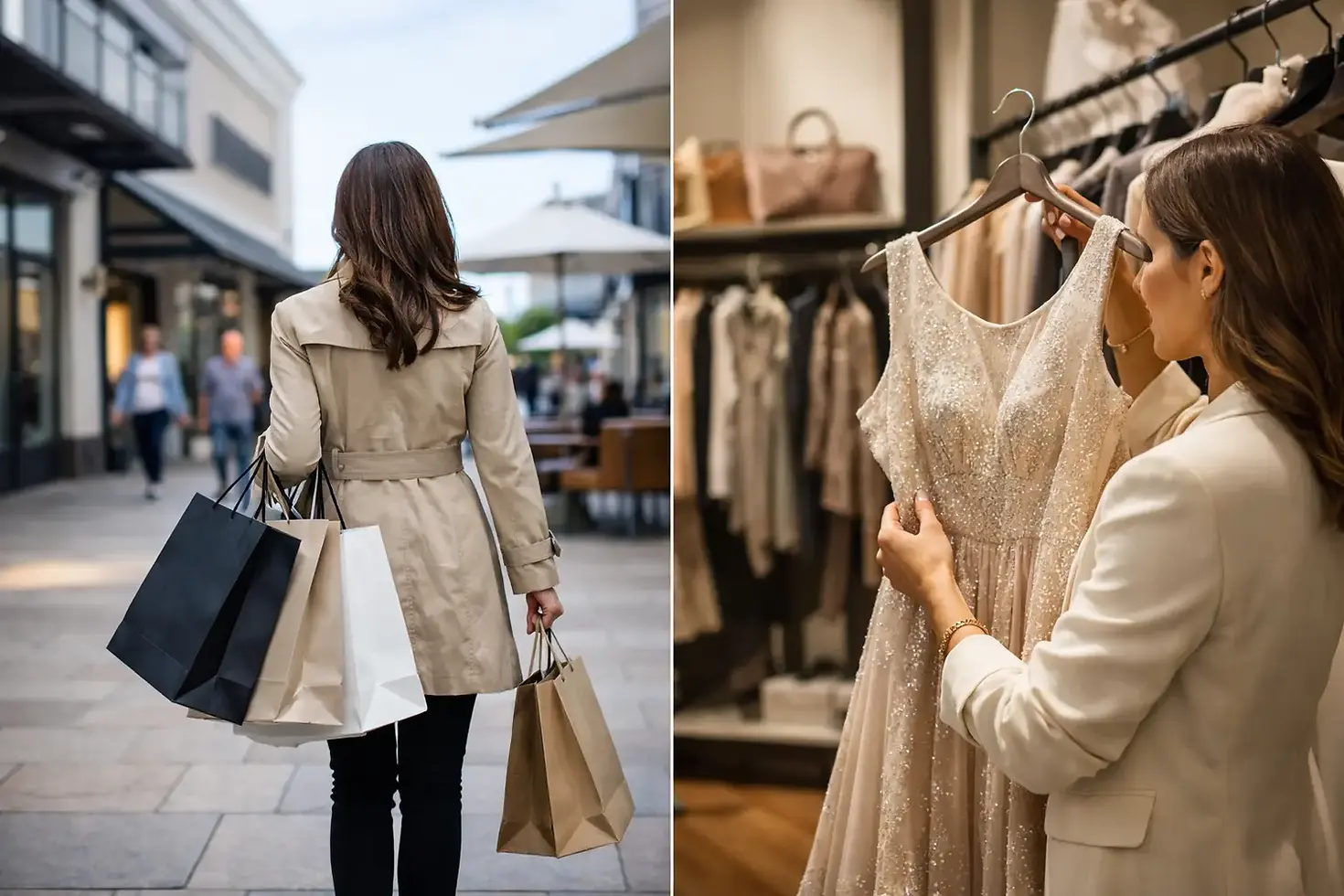
Boutique shopping is often about precision. You arrive with a clear idea, explore a polished collection, and leave with a choice that reflects the season and the house’s current point of view. It suits shoppers who enjoy direct access and want the confidence of a focused purchase.
Outlet shopping is more about discovery. The satisfaction comes from finding something distinctive that was not necessarily on your original list. It rewards the client who can recognize excellent fabric, a flattering silhouette, or a rare color when it appears.
Both can be deeply personal experiences in Italy. A private boutique appointment can turn a single purchase into a memorable part of a Milan, Florence, or Rome itinerary. A carefully planned outlet visit can be equally refined when it is paced well, tailored to your preferred brands, and supported by someone who understands where to look.
This is where a concierge perspective is valuable. Rather than treating boutiques and outlets as competing destinations, Vivaly can frame each around the client’s priorities: a specific request, a defined budget, a travel schedule, or the desire to be surprised by authentic Italian fashion finds.
How to Decide Before You Shop
Begin with the reason for the purchase. If you are celebrating, gifting, or seeking a current icon, a boutique may offer the appropriate certainty and occasion. If you are building a more versatile wardrobe, enjoy prior collections, or would rather maximize your budget across several pieces, a certified outlet may be the more satisfying choice.
Then consider your level of flexibility. Boutique shopping is better for exact requests. Outlet shopping works best when you can name preferred categories, brands, sizes, colors, and budget, while remaining open to alternatives. The more open your brief, the more likely an outlet search will uncover something exceptional.
Finally, do not confuse lower price with lower standards. Whether you buy at a boutique or outlet, insist on authenticity, precise item confirmation, transparent pricing, and careful handling from selection through delivery.
The most satisfying luxury purchase is rarely the one with the largest discount or the most recognizable shopping bag. It is the piece that feels right when you wear it, sourced with the confidence that every detail received the attention it deserved.


Comments